

Table of Contents
In today’s fast-paced lifestyle, managing household chores efficiently has become more important than ever. One of the most time-consuming kitchen tasks is washing dishes, especially in larger households. This is where a dish washer becomes a game-changer. Whether you are a working professional, a homemaker, or someone who simply values convenience, investing in a dishwasher can significantly improve your daily routine.
This blog will guide you through everything you need to know about dish washers, from their benefits and working mechanism to buying tips and maintenance. We will also touch on how other kitchen essentials like a chopper and even everyday items like tissue paper play a role in maintaining hygiene and efficiency.
What is a Dishwasher and How Does It Work?
A dish washer is an electrical appliance designed to clean dishes, utensils, and cookware automatically. Instead of manually scrubbing dishes, you simply load them into the machine, add detergent, select a washing cycle, and let the appliance handle the rest.
The process begins with spraying hot water mixed with detergent onto the dishes. The machine uses rotating spray arms to ensure every surface is cleaned thoroughly. After washing, it rinses the dishes with clean water and then dries them using heat or air drying systems.
Modern dish washers are designed to save both time and water, making them an eco-friendly and practical addition to any kitchen.
Why Dish Washers Are Becoming Popular in Pakistan
In Pakistan, dish washers were once considered a luxury item, but this perception is rapidly changing. With increasing urbanization and busy lifestyles, more households are adopting smart kitchen appliances.
One major reason for this shift is convenience. Washing dishes manually can take up a significant portion of your day, especially after large meals or gatherings. A dish washer eliminates this hassle and allows you to focus on more important tasks.
Another reason is hygiene. Dish washers use high-temperature water, which is far more effective in killing germs compared to manual washing. This is especially important for families with children or elderly members.
Additionally, water conservation is a growing concern. Surprisingly, a dish washer often uses less water than traditional hand washing when used efficiently.
Benefits of Using a Dishwasher
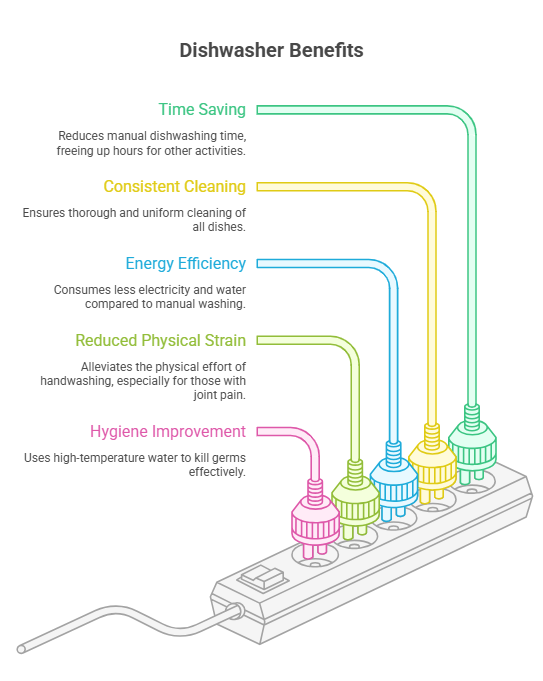
Using a dish washer offers numerous advantages that go beyond just convenience. It enhances your kitchen experience and improves overall cleanliness.
One of the biggest benefits is time-saving. Instead of spending 30 to 60 minutes washing dishes, you can simply load the machine and relax or attend to other responsibilities.
Another advantage is consistent cleaning quality. Unlike manual washing, which may vary depending on effort and technique, a dish washer ensures every dish is cleaned thoroughly.
Energy efficiency is also a key factor. Modern dish washers are designed to consume less electricity and water, making them cost-effective in the long run.
Moreover, it helps reduce physical strain. Washing dishes by hand can be tiring, especially for individuals with joint pain or busy schedules.
Role of Kitchen Essentials Like Chopper in Reducing Dish Load
A chopper is another useful kitchen appliance that complements the use of a dish washer. By quickly chopping vegetables and ingredients, it reduces the number of utensils required during food preparation.
When you use a chopper, you avoid using multiple knives, cutting boards, and bowls. This not only saves time but also minimizes the number of items that need cleaning afterward.
Combining a chopper with a dish washer creates a highly efficient kitchen workflow. You spend less time preparing food and even less time cleaning up, making your overall cooking experience more enjoyable.
Importance of Tissue Paper in Kitchen Hygiene
While appliances like dish washers handle heavy cleaning tasks, smaller items like tissue paper play an essential role in maintaining day-to-day hygiene.
Tissue paper is commonly used to wipe off excess oil, clean surfaces, and handle minor spills before loading dishes into the machine. This helps prevent clogging and ensures better washing performance.
Using tissue paper also reduces the need for pre-rinsing dishes under running water, which saves water and time. It is a simple yet effective way to maintain cleanliness in the kitchen.
How to Choose the Right Dish Washer
Selecting the right dish washer depends on your household size, kitchen space, and usage needs. There are different types available, including freestanding, built-in, and countertop models.
For smaller families or limited spaces, a compact or countertop dish washer may be ideal. Larger households may benefit from full-sized models with higher capacity.
It is also important to consider energy efficiency ratings, water consumption, and available washing programs. Look for features like quick wash, eco mode, and adjustable racks for added convenience.
Noise level is another factor to keep in mind. A quieter machine is especially beneficial in open kitchen layouts or smaller homes.
Tips for Using a Dishwasher Effectively
To get the best results from your dish washer, proper usage is essential. Always scrape off leftover food before loading dishes, and arrange them in a way that allows water to reach all surfaces.
Avoid overloading the machine, as this can reduce cleaning efficiency. Use the right amount of detergent and choose the appropriate washing cycle based on the level of dirt.
Regular maintenance is also important. Clean the filters and spray arms periodically to ensure optimal performance.
Using tissue paper to remove excess grease before loading dishes can further enhance cleaning results and prolong the life of your appliance.
Common Misconceptions About Dish Washers
Many people believe that dish washers consume more water and electricity, but this is not true for modern models. In fact, they are designed to be more efficient than manual washing.
Another misconception is that dish washers cannot handle heavily soiled dishes. With the right settings and detergent, they can clean even tough stains effectively.
Some users also think that delicate items cannot be washed in a dish washer. However, most machines have gentle cycles specifically designed for glassware and fragile utensils.
Conclusion
A dish washer is no longer a luxury but a practical necessity for modern kitchens. It saves time, improves hygiene, and enhances overall efficiency. When combined with smart tools like a chopper and everyday essentials like tissue paper, it creates a seamless and stress-free kitchen experience.
Investing in the right dish washer can transform your daily routine and make your kitchen more organized and efficient. As technology continues to evolve, these appliances are becoming more accessible and user-friendly, making them a valuable addition to every household.
FAQs About Dishwashers
What is the average price of a dish washer in Pakistan?
The price varies depending on the brand, size, and features, but generally ranges from mid to high budget categories.
Can a dishwasher clean oily dishes?
Yes, modern dish washers are designed to handle greasy and oily dishes effectively, especially when excess oil is wiped off using tissue paper beforehand.
Is a dish washer suitable for small kitchens?
Yes, countertop and compact models are specifically designed for small spaces and are ideal for apartments.
Do I need to rinse dishes before putting them in the dish washer?
No, you only need to remove large food particles. Pre-rinsing is not necessary and may waste water.
How often should I clean my dish washer?
It is recommended to clean the filters and interior at least once a month for optimal performance.
Can I wash all utensils in a dish washer?
Most utensils are safe, but it is best to avoid wooden items and certain delicate cookware unless specified.


